Cervical Cancer
Cervical cancer
Cervical cancer is a malignant condition that affects the neck of the womb (uterus). The incidence of cancer of the cervix has declined in Bangladesh due to the success of the Pap Smear screening program. Every year, about 400 women are diagnosed with cervical cancer in Bangladesh.
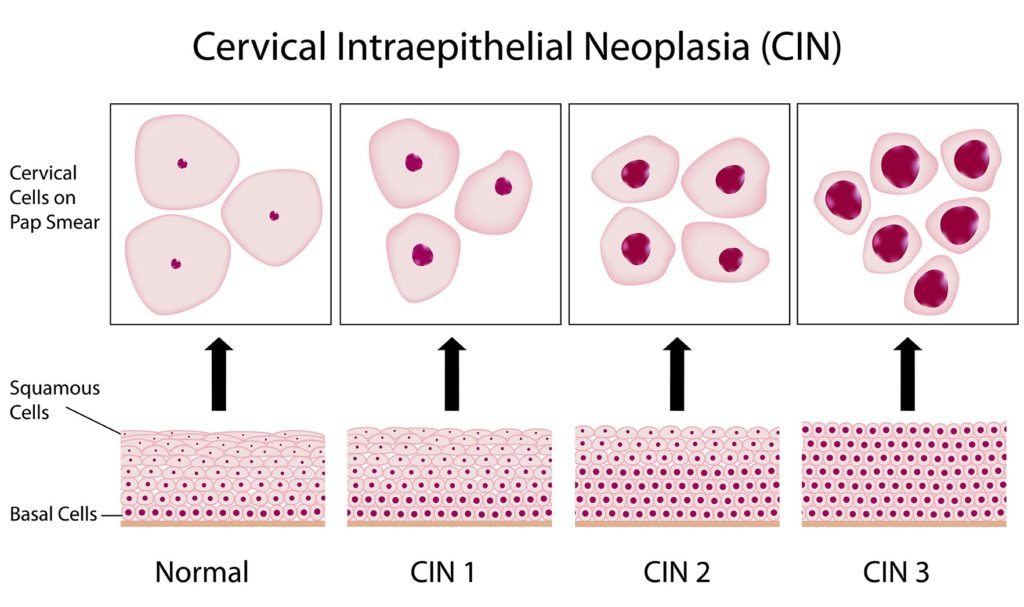
Cervical cancer may present with abnormal vaginal bleeding, such as bleeding after sexual intercourse. It may also be detected by the Pap Smear.
Causes
It is not usually possible to say what causes cancer in a particular woman but known risk factors are:
- you have had the higher risk genital human papilloma virus (HPV)
- you have been a regular smoker
- you do not have regular cervical tests (these can find pre-cancerous abnormalities)
- you are over 35
- you have used the contraceptive pill (the Pill) for more than five years (a small increase in risk)
- you have had cervical cancer in the past
- a family history of cervical cancer (a first degree relative such as a sister or mother)
- you have had five or more children
- your mother was given the </span synthetic hormone diethylstilbestrol (DES), when she was pregnant with you (it was used in the 1950s to prevent miscarriage).
Symptoms
Usually there are no symptoms or signs when the cancer begins to grow because it is often very small.
Symptoms can include:
- bleeding from your vagina when you have already been through menopause
- pain during sex and bleeding from your vagina afterwards
- bleeding from your vagina in between your periods
- unusual discharge from your vagina
- your period is heavier or lasts longer than usual.
Advanced cervical cancer is very uncommon but symptoms are:
- excessive tiredness
- leg pain or swelling
- lower back pain.
See your doctor if you have any of these symptoms and they persist and/or they are unusual for you.
Diagnosis
If you have symptoms that might be linked to cervical cancer you should talk to a doctor, nurse or gynaecologist. You should tell them about any changes to your body that you have noticed. You should tell them if you have ever had HPV.
If you have symptoms that might be linked to cervical cancer your doctor will most likely:
- ask you questions about the history of the health of you and your family
- do a Cervical Screening Test
- look at your cervix using a magnifying machine called a colposcopy that sits close to your body
- take a sample of any areas that do not look normal and send them away to be tested (known as a biopsy). This is sometimes done at the same time as a colposcopy and sometimes as part of an examination under anaesthetic
- you may have a blood test
- you may also have a minor operation (where a cone-shaped piece of your cervical tissue is removed for testing), a chest x-ray, MRI, CT or PET scan.
Treatment
The type of treatment you have will depend upon:
- the size of the cancer and where it is in your body (this is known as the stage of cancer)
- how quickly it is growing and how different it looks to normal cells (the grade of cancer)
- the specific type of cancer (the cell of origin)
- your age, health and medical history.

Treatment options
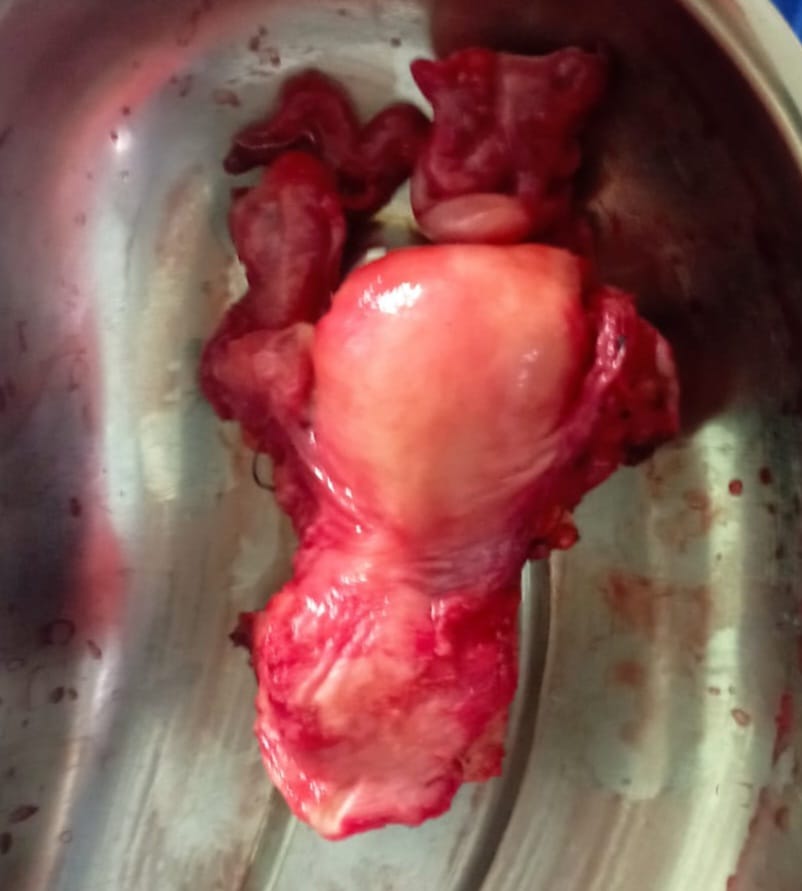
- Surgery to remove your cervix, uterus and fallopian tubes (known as a total hysterectomy and bilateral salpingectomy) and usually nearby pelvic tissue (known as a radical hysterectomy). Some of the nearby lymph nodes (which filter and trap disease) may also need to be removed. Less often your ovaries may need to be removed (known as a bilateral oophorectomy).
- Radiotherapy aims to control or kill the cancer. If you have external radiation you will lie or sit near a machine that directs radiation beams at your cancer. If you have internal radiotherapy (known as brachytherapy), a small radioactive device will be put inside your cervix and uterus through your vagina.
- Chemotherapy is medicine that aims to control or kill the cancer. Usually this involves being connected to an IV or drip for a few hours so the drugs can be released slowly into your body.